Every June, the same question comes up on job sites and in the showroom: is this year going to be a bad one? Nobody can answer that with certainty, and any company that tells you otherwise is selling something. What we can do is walk you through what the forecasters are saying for the 2026 season, where Sarasota actually sits in terms of risk, and why the answer looks different depending on whether you’re out on the barrier islands or a few miles inland.
At All Glass & Windows, we’ve installed windows and doors up and down this coast since 2009, so most of this comes from the work, not a weather report.
 What forecasters expect for the 2026 Atlantic hurricane season
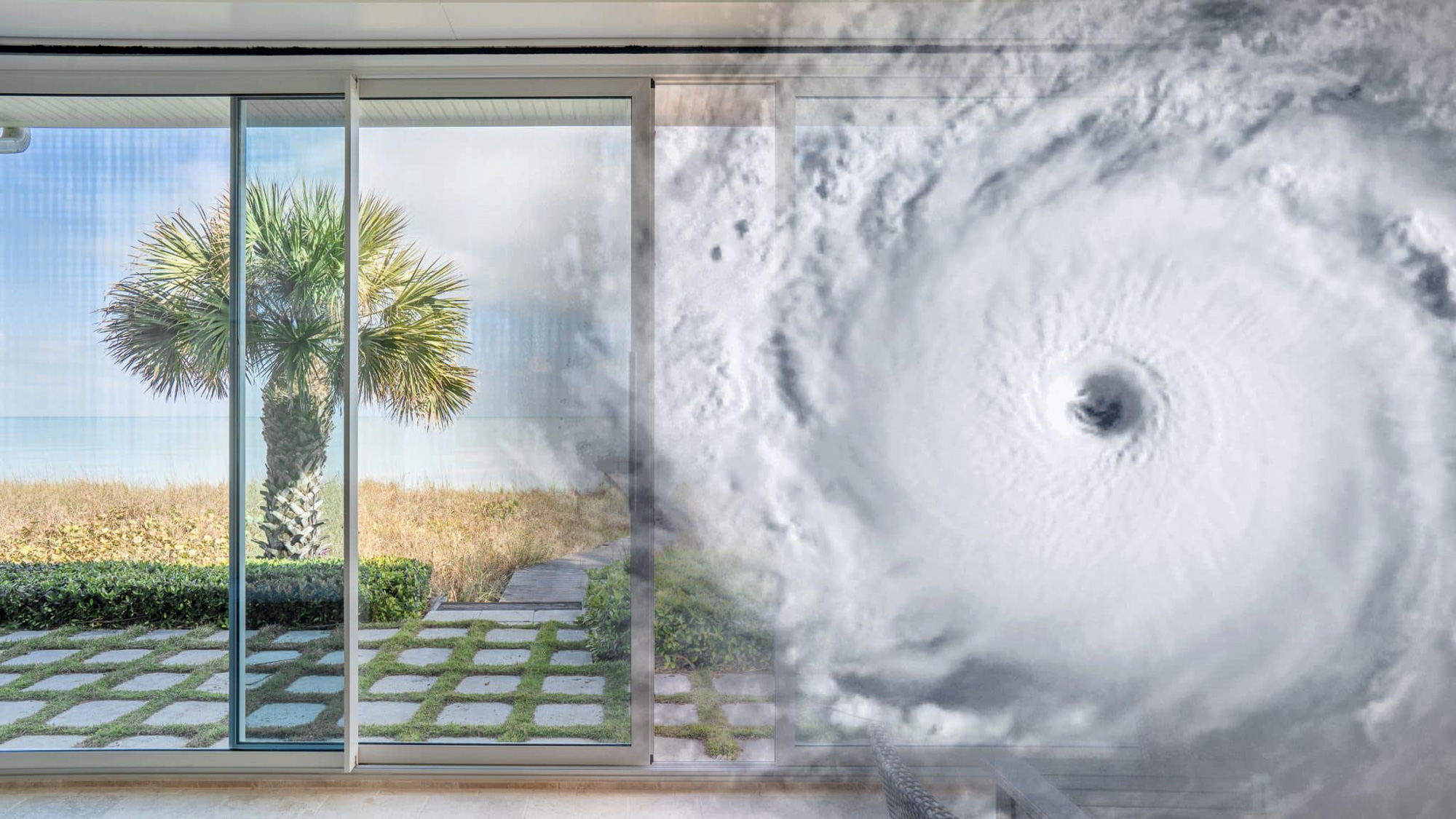
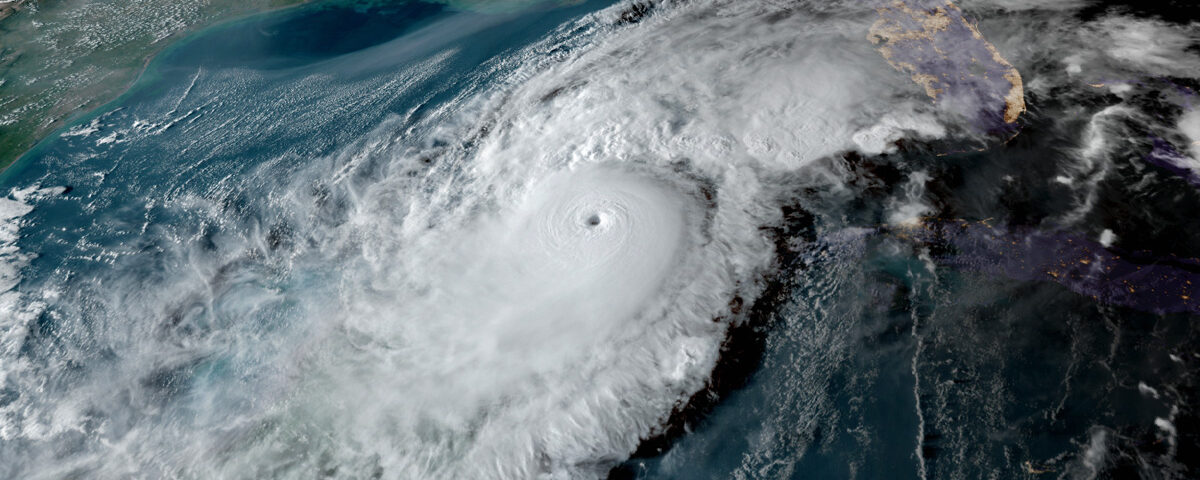
The early read on 2026 is a quieter-than-usual season, though that comes with a big asterisk.
NOAA’s 2026 Atlantic hurricane outlook calls for a below-normal season, putting the odds at 55 percent below-normal, 35 percent near-normal, and 10 percent above-normal. Their numbers land at 8 to 14 named storms, 3 to 6 of those becoming hurricanes, and 1 to 3 major hurricanes (Category 3 or stronger). For comparison, an average season runs about 14 named storms, 7 hurricanes, and 3 majors.
The team at Colorado State University, which has issued seasonal forecasts since 1984, has trended the same direction. Their July 8 update dropped to 9 named storms, 4 hurricanes, and 1 major, down from 11 named storms and 5 hurricanes in June. Both groups point to the same driver: a developing El Niño, which tends to increase wind shear over the Atlantic and make it harder for storms to organize.
Here’s the asterisk. A below-normal forecast is a statement about the whole basin, not about your street. It says nothing about where a storm goes if one does form. 1992 was a quiet season on paper, and it produced Hurricane Andrew. As NOAA’s own team puts it, it only takes one. So the forecast is worth knowing, and it’s a poor reason to skip getting ready.
Both outlooks get revised in early August, ahead of the September-to-October peak, so the numbers above are a snapshot, not the final word.
Does Sarasota actually get hurricanes?
Yes, and more often than many newer residents expect.
Sarasota sits on the Gulf side of Florida, roughly midway down the peninsula, which puts it in play for storms tracking north through the Gulf and for systems curving up from the Caribbean. The official Atlantic hurricane season runs June 1 through November 30, with the real danger window clustered from mid-August into October. The National Weather Service office in Tampa Bay, which covers Sarasota and Manatee counties, is the local forecast authority worth bookmarking before a storm is ever named.
Direct hits are less frequent here than in South Florida, but the region has taken serious storm surge, wind, and flooding from close passes and landfalls up and down the coast. The takeaway isn’t panic. It’s that Sarasota is genuinely exposed, and the exposure isn’t the same everywhere in the county.
The barrier islands and the mainland face different risks
If you live on Siesta Key, Longboat Key, Casey Key, or Bird Key, you’re on the front line. Barrier islands take the first push of storm surge and the strongest onshore wind, and evacuation orders reach the islands first because the bridges become the bottleneck. Homes here are built and permitted to the county’s toughest coastal standards for good reason, and glass exposed to blowing sand and salt spray lives a harder life than glass a few miles inland.
The mainland story is different, and it’s the part most generic hurricane articles miss. Move inland to Gulf Gate, The Meadows, Palmer Ranch, Sarasota Springs, or South Gate, and the surge threat drops off. The wind threat does not.
Almost all of mainland Sarasota County sits inside the Wind-Borne Debris Region. That’s the zone where the building code assumes flying debris is a real hazard in a strong storm, so replacement glazing has to be either impact-rated or protected by shutters. It’s a common surprise: people assume that because they’re not on the water, they’re in the clear. The code says otherwise.

Why your neighborhood’s home age matters more than its zip code
Here’s the thing that ties a lot of Sarasota neighborhoods together, and it has nothing to do with distance from the beach.
Florida’s first statewide building code took effect in 2002. Any home built before then almost certainly went in with original, non-impact glazing, which now means windows and doors that are 20 to 70 years old and were never designed to meet a modern storm standard.
That describes a huge share of the mainland. Gulf Gate is full of 1960s and 70s ranch homes about a mile from Siesta Key. The Meadows and Bent Tree went up largely in the 70s and 80s. Sarasota Springs, South Gate, and Lake Sarasota trace back to the 1950s through the 80s. Even the mid-80s and 90s pockets of Palmer Ranch, Deer Creek, and Laurel Oak predate the 2002 code. If your home is one of these, the original glass is the weakest link in the envelope, no matter how far you are from the water.
One code detail worth knowing before you plan any project: replacing more than 25 percent of your home’s glazed opening area within a 12-month period triggers full current-code compliance. In practice that’s the argument for doing every opening at once instead of piecemeal, so you’re not caught halfway.
There’s also the approval step, which varies a lot by neighborhood. No-HOA areas like Lake Sarasota, Sarasota Springs, and Gulf Gate let you move fast with no architectural board to clear. Deed-restricted and gated communities like Bent Tree, Colonial Oaks, the Palmer Ranch cluster, Laurel Oak, and Misty Creek have an architectural review committee, and South Gate runs a design review with a real mid-century-preservation streak. Knowing your community’s process is half the battle, and it’s the kind of thing a local installer deals with every week.
If you want the specifics for your area, our windows and doors service in Sarasota page has more, and we cover the surrounding communities too, including Osprey to the south and impact windows in St. Petersburg up in Pinellas County.
What actually protects a Sarasota home in a storm
When people picture storm protection, they usually picture shutters. Shutters work, but they mean climbing a ladder every time a storm enters the Gulf, and they do nothing for the glass the rest of the year.
Impact windows and doors take a different approach. The glass is laminated, meaning two panes bonded to an inner layer, set in a reinforced frame and tested to hold together when something hits it. These products are designed to meet Florida’s coastal wind and debris standards and are rated for the design pressures your exposure calls for. We say designed to and rated for on purpose, because no window can promise to stop every storm, and anyone who claims otherwise is overselling.
You can dig into the difference between the two main paths on our hurricane windows and doors overview, and see the product side on the impact windows page.
The bonus most people don’t expect is what laminated impact glass does the other 51 weeks of the year. It’s a strong platform for energy performance, which matters a lot in our cooling-dominant climate. In Florida, the number to watch first is SHGC, or solar heat gain coefficient, which measures how much of the sun’s heat comes through the glass. It matters more here than the insulation-focused U-factor that national articles tend to lead with, especially on west-facing walls that take the worst afternoon solar load. If lowering that heat load is on your list, our energy-efficient windows and doors page walks through the glass packages that pull double duty on storm protection and comfort.
How to get ready before a storm is named
Product decisions are the long game. The short game is having a plan in place before a system is in the Gulf.
A few basics worth doing early: know your evacuation zone and route, especially on the islands where the bridges back up fast; keep a supply kit and important documents ready; and understand what your homeowner’s policy actually covers, including any separate hurricane or flood deductible. Ready.gov and FEMA’s flood map service are the primary sources for preparedness checklists and for checking whether your address sits in a flood zone.
The homes that come through storm season in the best shape are the ones where the owner sorted this out in June, not the week a cone showed up on the news.
Thinking about impact windows before the next storm?
If your Sarasota-area home still has its original pre-2002 glass, upgrading to impact windows and doors is the single biggest storm-readiness step you can take, and it’s easier to plan in the off-season than in a rush. We’ve done this work across the barrier islands and the mainland since 2009, and we can walk you through the options for your home, your exposure, and your neighborhood’s approval process.
To talk it through or request a quote, give us a call at 941-379-9555 or use our contact page. Our Sarasota showroom is open by appointment if you’d like to compare frames and glass in person before you decide.
Sarasota hurricane season FAQs for Gulf Coast homeowners
es. Sarasota sits on Florida’s Gulf Coast and is exposed to storms moving through the Gulf and up from the Caribbean. Direct hits are less frequent than in South Florida, but the area has seen significant surge, wind, and flooding from close passes and nearby landfalls. Hurricane season runs June 1 through November 30, with the highest risk from mid-August into October.
Early forecasts point to a below-normal Atlantic season. NOAA projects 8 to 14 named storms with 3 to 6 hurricanes, and Colorado State’s July update lowered its call to 9 named storms and 4 hurricanes, both citing a developing El Niño. A quieter basin-wide forecast does not tell you where any single storm will go, so the guidance every year is the same: prepare regardless.
Most of mainland Sarasota County sits inside the Wind-Borne Debris Region, where the building code treats flying debris as a real storm hazard. That means replacement glazing generally has to be impact-rated or shutter-protected even a few miles from the water. Being off the coast lowers surge risk, not wind and debris risk.
Homes built before Florida’s 2002 statewide code often have original, non-impact glazing. There’s no rule forcing you to replace working windows, but once you replace more than 25 percent of your home’s glazed opening area within a 12-month period, the work has to meet current code. That’s why many owners choose to do every opening at once rather than piecemeal.
Shutters are deployed before a storm and protect the glass only while they’re up. Impact windows and doors use laminated glass in a reinforced frame that stays in place year-round, so there’s no ladder work when a storm enters the Gulf, and the glass adds everyday benefits like sound reduction and solar-heat control. Both are designed to meet Florida’s storm standards when installed correctly.