
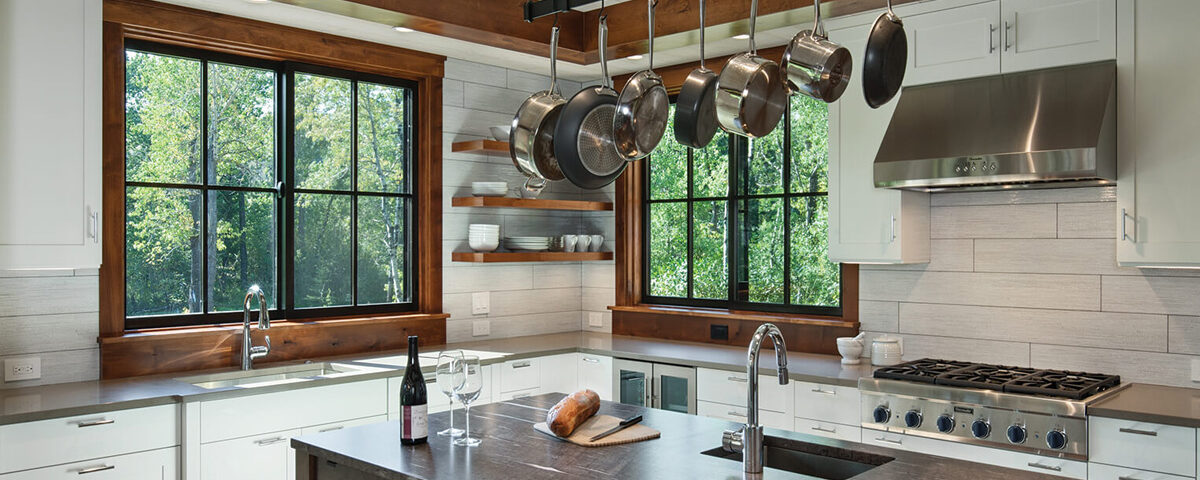
A gliding window, also called a slider, opens by sliding side to side instead of up and down. That simple difference is why so many Florida homes end up with them. They clear walls of swing space, frame a wide view, and reach easily over a counter, all of which matter in the way we actually live down here.
All Glass & Windows has installed windows and doors across the Sarasota area since 2009, including gliders and horizontal sliders. Here’s where they tend to fit best, where another style beats them, and what to think about for the coast before you order.
Gliding window or slider window: same thing, different name
People use a few names for the same window. A gliding window, a slider, a horizontal slider, a glider. They all describe a sash that rides left to right in the frame. Compare that to a single-hung or double-hung, where the sash moves up and down.
The side-to-side motion is the whole point. Nothing swings out, so the sash never eats into a walkway, a patio, or the space over a sink. On a wide opening, that horizontal line also gives you more uninterrupted glass than a stack of smaller units would.
Where slider windows earn their spot
Sliders shine in a handful of real spots:
- Over a kitchen sink or counter. You can reach across and slide one open with one hand. A crank or a sash you have to lift gets old fast in that spot.
- Wide, lower walls. Living rooms, dining rooms, and bonus rooms where you want a long, low band of glass and a clean view of the yard or the water.
- Tight exterior spaces. Walkways, side yards, and lanais, anywhere a window that swings out would be in the way.
- Bedrooms, with one caveat. Sliders work well in bedrooms, but Florida egress code sets a minimum clear opening for rooms used for sleeping. On a slider only one side opens, so the unit has to be sized to hit that clear opening. Worth confirming before you order, not after.
Where a slider isn’t the best call: a tall, narrow opening usually wants a casement, and a spot where you want the whole opening to breathe will ventilate better with a casement or single-hung, since a slider only ever opens halfway. We’ll tell you straight when another style fits the opening better.
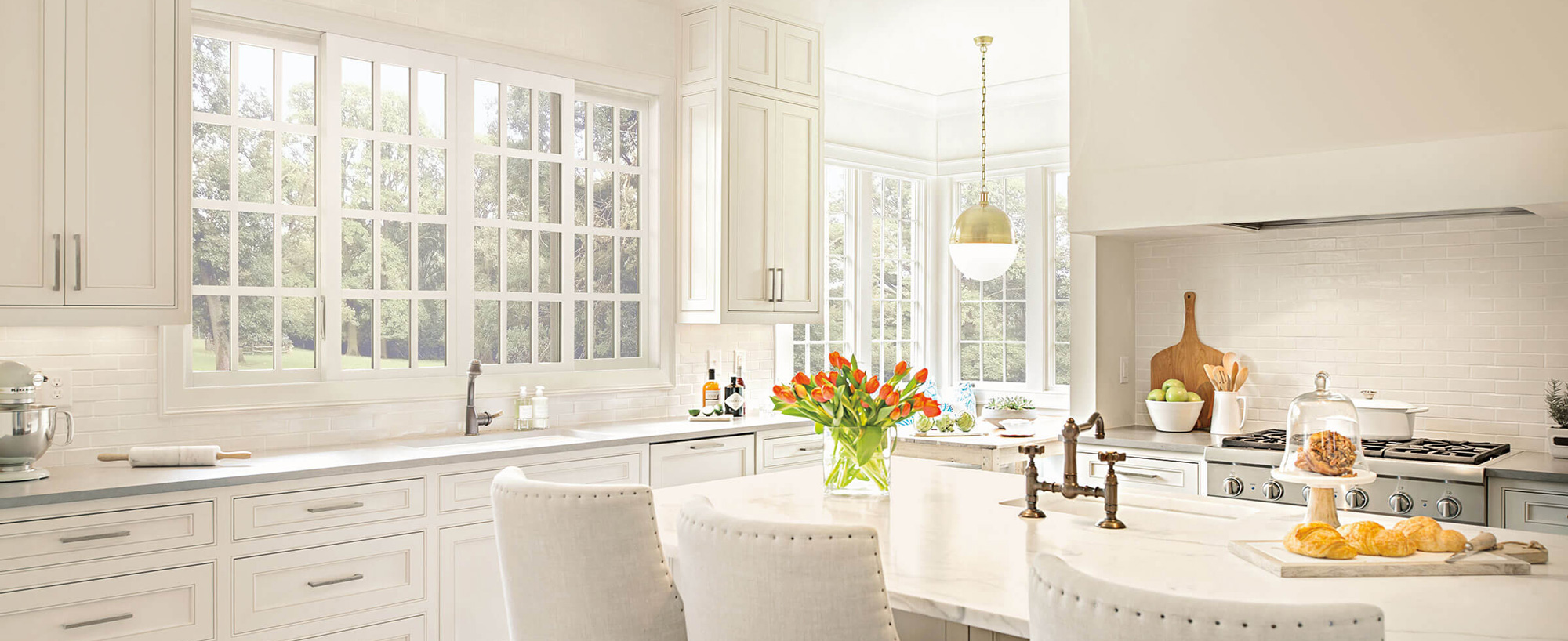
A Marvin Ultimate Glider. One or more sashes move side to side, a clean fit for high-traffic walls.
Picking the frame for the coast
Frame material matters more here than it does up north, because salt air and humidity are hard on the wrong materials.
- Vinyl handles humidity and salt air well, and multi-chambered frames add insulating value. A strong default for most coastal homes.
- Aluminum is strong and slim, but bare aluminum conducts heat. For energy, you want a thermal break in the frame.
- Wood and composite (like Marvin’s and Kolbe’s lines) give you the look a lot of custom homes want, with exterior cladding to stand up to the weather.
On the glass, lead with SHGC, not U-factor. In a cooling-dominant climate, the number that matters most is how much solar heat the glass lets through, especially on west-facing walls that take the afternoon sun. Aim for a low SHGC there. If you want to go deeper, our energy-efficient window and glass guidance walks through the frame and glass choices for Florida homes.
Impact glass and Florida code
In Sarasota’s wind zone (IZ3), most sliders we install are ordered with laminated impact glass. That glass is designed to withstand windborne debris and stay in the frame, and it’s tested to the design pressures the code requires. Laminated glass also does double duty: it blocks UV and helps with energy efficiency, so the storm and efficiency stories overlap.
We frame storm performance the honest way, designed to, rated for, tested to, never as a guarantee against any specific storm. If protection is the priority, start with our impact windows and hurricane-rated windows and doors, and then we’ll match a slider to the right glass package for your exposure.
The glider and slider lines we install
A few of the lines we reach for when a project calls for a horizontal slider:
- Marvin Ultimate Glider. One or more operating sashes that slide side to side, with the clean, contemporary look that custom homes often want. A good fit for high-traffic walls.
- Kolbe VistaLuxe. A contemporary slider with narrow sightlines for when you want the frame to disappear and the view to carry the room.
- PGT horizontal rollers. Florida-built, impact-rated options made for our code and our climate.
- WinDoor and ESW. More coastal-built choices when a project needs specific sizes or performance.
Which one fits depends on the opening, the look you’re after, and the exposure. That’s the kind of thing that’s easier to sort out with the actual windows in front of you.
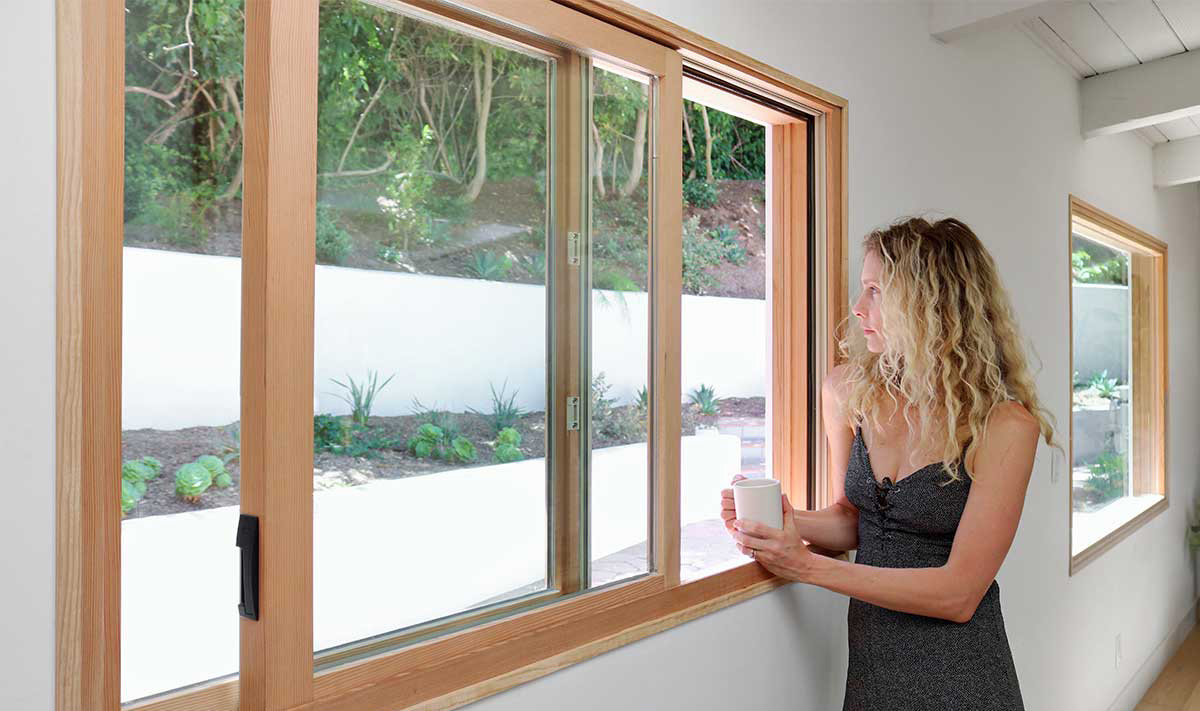
The Marvin Ultimate Glider in wood is a contemporary look with a space-saving slide.
Living with a slider on the coast
One thing brochure pages skip: a slider rides on a track, and tracks collect grit. On the barrier islands, that means a little sand and salt. A slider stays smooth if the track gets a wipe down now and then, and the rollers and hardware are marine-grade, made for salt air. Ask for that finish up front on a coastal install.
The other honest tradeoff is cleaning. The outside face of the moving sash can be harder to reach than a window that tilts in, so consider access from a second story. None of this is a dealbreaker. It’s just the real picture, and it’s the kind of thing we’d rather you hear before the order than after.
Talk through your slider options
All Glass & Windows has been selling and installing sliding and sliding windows for homes across Sarasota, the barrier islands, and the surrounding area since 2009. If you want to see the difference between an aluminum and a vinyl slider, or compare a Marvin glider to a Kolbe VistaLuxe in person, our Sarasota showroom is set up for that by appointment.
When you’re ready, request a quote or call to schedule a showroom appointment, and we’ll help you figure out the right window for the opening.
Gliding and Slider Window FAQs for Sarasota Homeowners
Yes. Gliding, sliding, slider, glider, and horizontal slider all describe the same window: one with a sash that moves side to side in the frame rather than up and down. Different manufacturers just favor different names.
Anywhere you want easy reach or a wide, low view. They’re a favorite over kitchen sinks and counters because you can slide them with one hand, and they suit living and dining walls where you want a long band of glass. They also fit tight exterior spots where a window that swings out would be in the way.
Two things. Only one side opens, so a slider ventilates about half the opening, less than a casement that swings fully open. And the exterior face of the moving sash can be harder to clean than a window that tilts in, which is worth thinking about on a second story.
Three common setups. A single slider has one fixed pane and one that moves. A double slider has two sashes that both move toward the center. A three-lite slider has a fixed center pane with two operating sashes on the sides, which suits a wide opening.
Yes. We order most sliders with laminated impact glass for Sarasota’s wind zone. That glass is designed to take a debris hit and stay in the frame, and it’s tested to the design pressures the code requires. We’ll match the right glass package to your home’s exposure.