If you’ve shopped for an entry door, you’ve probably seen the word spelled both ways. Sidelight and sidelite mean the same thing: the narrow vertical window on one or both sides of a front door. The spelling changes from one manufacturer’s catalog to the next. The window doesn’t.
Sidelights do two jobs at once. They pull daylight into an entry that would otherwise feel closed off, and they set the first impression of the front of your home. On the Florida Gulf Coast, they carry a third job too, which is standing up to the same code and weather your front door has to. We’ll walk through how to choose them, what the glass options actually do, and where impact rating matters.
 What Is a Front Door Sidelight?
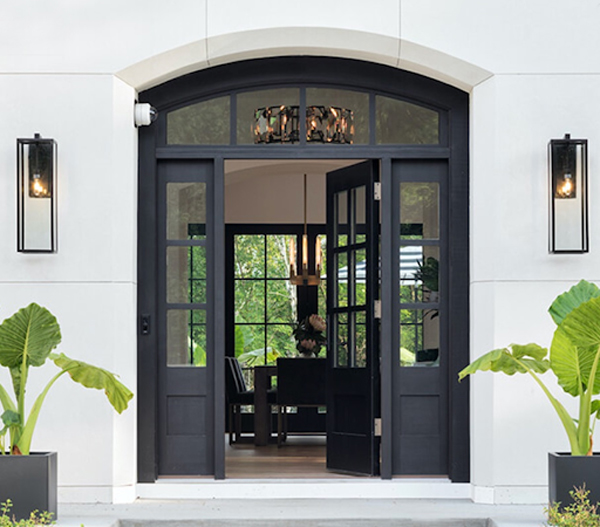
A sidelight is a tall, narrow window built into the framing alongside an entry door. Most are fixed, meaning they don’t open. Some newer doors come with an operable sidelight, but the classic setup is glass that stays put and lets daylight through.
Sidelights usually share the door’s frame rather than sitting in their own rough opening. In some older Sarasota homes, the glass is framed separately, which matters when it’s time to replace just the glass. We’ll get to that.
The spelling, again, doesn’t matter. Sidelight, sidelite, side light: same window.
Sidelight vs. Transom: What’s the Difference?
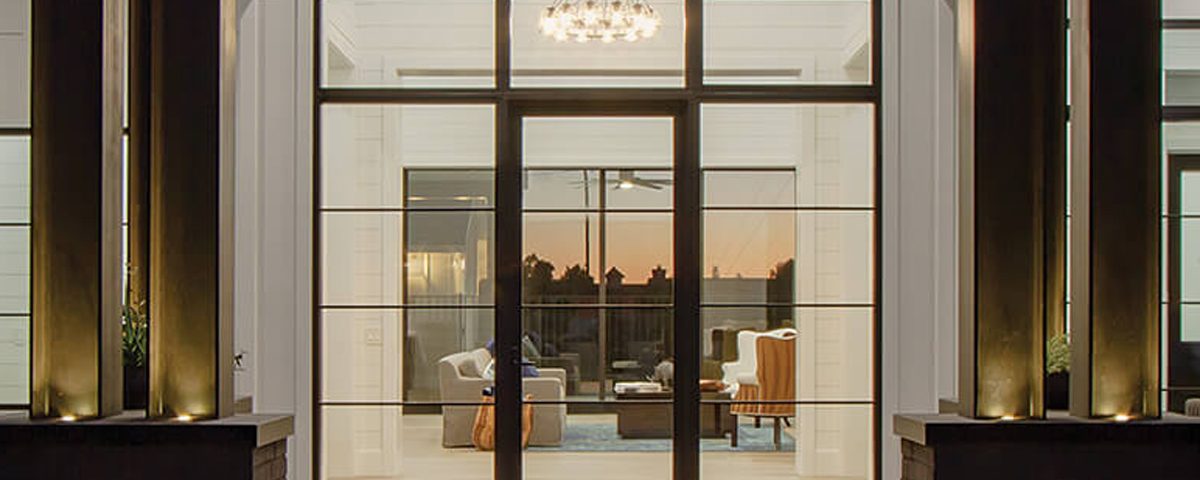
People mix these up because they often show up together. A sidelight runs vertically beside the door. A transom is the horizontal window above the door. A front door with sidelights and a transom has glass on three sides, which is why that combination pulls so much light into an entry.
If you want the bright, open entryway look, that’s the configuration that gets you there. The tradeoff is more glass to specify for code and energy, which we cover further down.
Front Door Configurations With Sidelights
The most common setups are a single door with one sidelight, a single door flanked by two, and a double door with sidelights on the outer edges. Which one fits comes down to the width of your opening and how much wall you want to keep on either side.
A single door with one sidelight is the workhorse. It adds light and a sense of width without a full rebuild of the opening. Two sidelights make the entry feel more formal and symmetrical. A transom on top of either pushes it further.
Half, Three-Quarter, and Full-Length Sidelights
Sidelights come in three common heights. Full-length runs nearly the full height of the door and lets in the most light. Three-quarter stops a bit short, leaving a solid panel at the base. Half-length gives you daylight up top and a solid lower section, which works when you’ve got furniture against the entry wall, or you simply want less glass down low.
Height isn’t only a looks decision in Florida. More glass means more to account for on solar heat and, near the coast, on impact rating. A full-length sidelight on a west-facing entry is a different glass conversation than a half sidelight on a shaded north side.
Decorative Glass Options for Sidelights
This is where sidelights get personal. The glass can be clear for most light, frosted or obscure for privacy, or decorated. Here are the options our manufacturers offer most often for Florida entries.
Clear and frosted glass. Clear glass lets in the most daylight and offers an open view. Frosted or obscure glass lets light in but blocks the sightline, which is the usual pick for a sidelight right next to the door, where you don’t want a clear view straight into the entry.
Etched glass. A design is etched into the surface, so you get a pattern without losing all your light. It reads as detail up close and as texture from the curb.
Stained and leaded glass. Colored glass cut and joined into a design. It’s the most decorative option and the one that most defines an entry’s style, traditional or contemporary, depending on the pattern.
Wrought-iron aluminum grilles. A decorative metal grille over the glass for an iron-work look without the weight or corrosion worry of actual iron on the coast. Ask which of our brands offer it for the door line you’re considering.
If you want to see how these options look on a finished door, our Signature entry doors are a good place to start.
Impact-Rated Sidelights and Florida Code
Here’s the part generic sidelight guides skip. In coastal Florida, the glass beside your door has to meet the same code your door does. A sidelight that isn’t rated for your zone won’t pass inspection, and it won’t do its job in a storm.
Two things drive what you need. In the Miami-Dade and Broward High-Velocity Hurricane Zone, products have to carry HVHZ approval. Most other coastal Florida, including Sarasota County and our IZ3 wind zone, falls under windborne debris requirements, which is where impact-rated glass earns its place. Impact sidelights use laminated glass that’s designed to take a hit from flying debris and stay in the opening rather than letting the envelope of the house open up.
One honest point that trips people up. A hurricane-rated sidelight doesn’t upgrade a door that isn’t itself rated. The rating applies to the assembly. If the door is non-impact, dropping a rated piece of glass beside it doesn’t make the entry an impact entry, and it won’t carry the code or insurance benefit on its own. If storm protection is the goal, the door and its sidelights get specified together as a rated unit.
Salt air factors in, too. Near the water, hardware and frames are subject to corrosion that inland products never see, so marine-grade finishes and stainless fasteners are worth specifying for a coastal entry.
For the full picture on how impact glass is built and tested, see our guide to impact windows and doors, and for storm-season specifics, our hurricane protection overview.
Are Sidelights Energy Efficient in Florida?
Sidelights are glass, and glass is where heat comes in, so it’s a fair question. The short answer: yes, when the glass is specified for our climate, and the narrower footprint of a sidelight helps.
In Florida, the number that matters most is SHGC, the solar heat gain coefficient. It tells you how much of the sun’s heat the glass lets through. Most national window content leads with U-factor, which is about insulation and matters more in heating climates. Here, in a cooling-dominant climate, SHGC is the number to watch. For a sun-facing entry, look for SHGC around 0.25 or lower.
Exposure drives this. A west-facing entry takes the hardest solar load of the day, late-afternoon sun straight on the glass, so the SHGC spec matters more there than on a shaded entry. Low-E coatings help cut the heat without cutting the daylight you put the sidelights in for in the first place.
There’s a bonus on the coast. Laminated impact glass already does double duty, so the same glass that’s rated for debris also helps on solar heat and noise. If you’re weighing the whole entry, our guide to energy-efficient front doors in Sarasota covers door materials and glass together, and our energy-efficient windows and doors overview gets into the full picture.
Replacing Sidelight Glass on an Existing Door

You don’t always have to replace the whole door. If the door itself is solid and you want new glass, or a sidelight pane has fogged or cracked, the glass can often be replaced on its own.
Whether it’s a swap or a full door-and-sidelight replacement depends on how it was built. When the sidelight shares the door frame, replacing just the glass is usually straightforward. When it’s framed in its own rough opening, which happens in some older Sarasota homes, it can be more involved. That’s the kind of thing worth having someone look at before you order anything.
If you’re upgrading to impact-rated glass at the same time, that’s a good moment to specify the door and sidelights together so the whole assembly carries the rating. Whether you need a full replacement or a single piece of glass, we can help you figure out the right next step. Request a quote and tell us what you’re working with.
Choosing Front Door Sidelights in the Sarasota Area
All Glass & Windows has been helping Sarasota-area homeowners and builders choose entry doors and sidelights since 2009. We’ll walk you through sizes, glass options, and the impact rating your zone calls for, and make sure it’s installed so it looks right and works right.
To see options in person, we can set up a showroom appointment. To get started on a project, request a quote or call us at 941-379-9555.
Front Door Sidelight FAQs for Florida Homeowners
No. They’re two spellings of the same thing, the narrow window beside a front door. You’ll also see it written as two words, side light. Manufacturers aren’t consistent about it. The window is the same either way.
Yes. Impact-rated sidelights use laminated glass that’s tested to stand up to windborne debris. For the rating to count, the door and its sidelights are specified together as a rated assembly, since a rated piece of glass beside a non-rated door doesn’t make the whole entry impact rated.
A sidelight is the vertical window beside the door. A transom is the horizontal window above it. A front door with sidelights and transom has both, which is why that setup brings in so much daylight.
Often, yes, especially when the sidelight shares the door frame. If it’s framed in its own opening, which happens in some older homes, it can be more involved. It’s worth having someone look at how yours is built before ordering.
They don’t have to, but they’re usually specified together so the glass, finish, and style read as one entry. Matching the rating is the part that isn’t optional on a coastal door.
They can be, with the right glass. A west-facing entry takes the hardest afternoon sun, so look for a low SHGC (around 0.25 or lower) and a Low-E coating to keep the heat down while you keep the light.