
If you own a home on Siesta Key, Longboat Key, Casey Key, Bird Key, or a bayfront property on the mainland, you already know hurricane season is not abstract. You’ve watched the forecasts, you’ve thought about what would happen to your windows in a Category 4, and you’ve probably gotten conflicting advice from contractors, insurance agents, and the neighbor who “knows a guy.”
This post is not a sales pitch. It’s what we wish more Sarasota-area coastal homeowners understood before they start the conversation about hurricane windows. A few things look simple on the surface and turn out to matter a lot once you’re standing in your living room with a crew and a permit pending.
Coastal Exposure Is Not One Thing
Florida treats wind exposure as a formal category, and it drives a lot of what gets installed on your home. Your exposure zone determines the Design Pressure (DP) rating your openings require, which in turn determines which products are approved for your home, and thus both cost and timeline.
A Siesta Key home facing the Gulf is not in the same exposure category as a home two miles inland in Palmer Ranch. Even within the same ZIP code, exposure can vary from opening to opening. A west-facing wall on a second story takes a different wind load than a ground-floor east-facing wall.
What this means in practice: when someone gives you a quote based only on the number of windows in your home, without asking about orientation, elevation, or proximity to the water, they’re skipping the work that actually determines whether the install will pass inspection.
For a deeper explanation of DP ratings and Florida Product Approval, we wrote about that on our Hurricane Windows solutions page. You can also look up specific product approvals directly through the Florida Building Code product approval database.
Salt Air Is Harder on Hardware Than Homeowners Expect
The homes that need hurricane windows most, the ones closest to the water, are also the homes where the hardware corrodes fastest. Standard steel fasteners that are fine 10 miles inland will pit and fail within a few years on a bayfront property.
If you are on a barrier island or within a few blocks of the Gulf, ask about:
- Marine-grade hardware and finishes that are rated for salt spray, not just coastal humidity
- Stainless steel fasteners rather than standard zinc-coated fasteners
- Frame material considerations: aluminum without a proper thermal break conducts heat in a way that matters in Sarasota’s climate. Vinyl handles the humidity well, but has its own trade-offs for very large openings
- Laminated glass configurations that combine impact performance with UV blocking (which helps protect the interior furnishings you’ve invested in as much as the view)
The difference between a system that’s rated for coastal conditions and one that’s just “impact-rated” can be the difference between a window that looks the same in ten years and one that’s visibly deteriorating.
HOA Approval Is Often the Longest Part of the Project
On barrier islands in particular, your HOA approval process can take longer than the permit process. If you live in a community like Bay Island, St. Armands, Longboat Key, or a Siesta Key association, the architectural review board often has specific requirements about:
- Frame color and finish
- Window configuration matching the existing home
- Any exterior profile changes
- Sightline consistency with neighboring homes
We have seen HOA reviews take 30 to 60 days, in addition to the permit timeline. If you are planning to have work done before the peak of hurricane season, start the HOA conversation before the product selection conversation. It’s the easiest part to accelerate on the front end and the hardest to catch up on later.
Permit Timelines in Sarasota County Vary by Where You Live
Permit timelines differ meaningfully depending on whether your property is in:
- The City of Sarasota (incorporated)
- Unincorporated Sarasota County
- Town of Longboat Key
- City of Sarasota Beach areas under specific coastal construction control
Each jurisdiction has its own review queue and specific requirements for the documentation to be submitted. Building inspectors in coastal high-exposure zones often request additional paperwork that projects in inland areas don’t require. The Sarasota County permit portal provides more details on current requirements for unincorporated county properties.
For the most up-to-date guidance, we typically recommend a conversation before the project scope is finalized, so you know what permit window to plan around.
Why Peak-Season Lead Times Matter
Hurricane season runs from June through November. The closer you get to peak season, the longer lead times get, particularly on PGT impact products, which are popular enough in Florida that they experience material backlogs every summer. The National Hurricane Center publishes seasonal outlooks worth watching if you’re trying to time a project.
If you are considering a full-home hurricane window project, the quiet months (January through March) offer the shortest lead times and the most installer availability. By May, the calendar gets crowded. By August, if a named storm is forming anywhere in the Atlantic basin, you’re probably looking at next-season installation.
This is not a marketing deadline. It’s how the supply chain actually works.
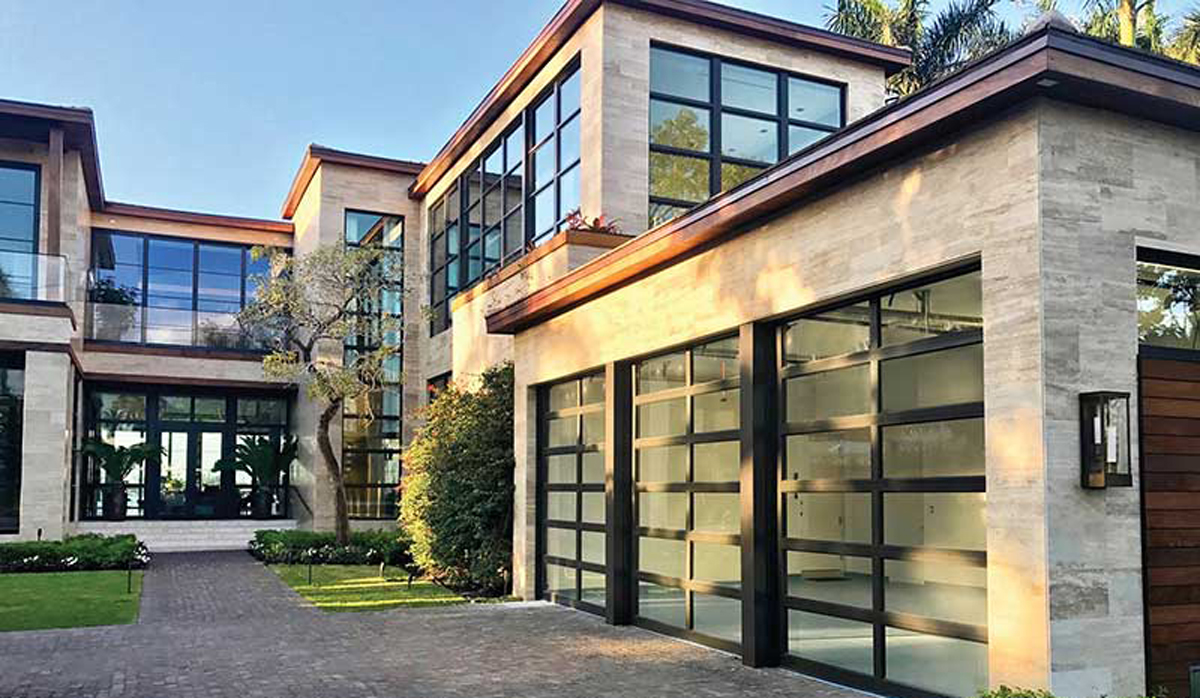
Hurricane Windows vs. Shutters: The Real Comparison
Many coastal homeowners arrive at the hurricane window conversation having already considered shutters. The choice isn’t about which is “better” in the abstract. It’s about what fits your actual life on the coast.
Hurricane-rated windows are always in place. No deployment. No storage. No pre-storm rush if a named storm forms on short notice. They also improve daily comfort (better sealing, better UV blocking, better noise control) and don’t require you to be home during a storm.
Shutters have a lower upfront cost and can be effective when deployed correctly, but they require deployment. For homeowners who travel, have second homes, or simply don’t want to be on a ladder in the days before a storm, the deployment requirement is the catch.
Most coastal Sarasota homeowners we work with end up choosing hurricane windows because the shutter calculation doesn’t actually fit their lifestyle. Some use both, hurricane windows for the primary openings and shutters for specific secondary openings where windows don’t make sense.
The Brands We Work With and Why
At All Glass & Windows, we install PGT, ESW, WinDoor, Euro-Wall, Kolbe, Marvin, and Signature. Different homes call for different products, and the honest answer is that the best brand is the one whose approved configuration fits your specific opening, elevation, and exposure.
- PGT has the broadest product range for Florida homes and the deepest history with Florida Product Approval documentation. Commonly specified for impact projects across the Sarasota area.
- WinDoor specializes in large-opening sliding glass door systems whose openings are larger than the typical product range.
- Euro-Wall handles folding and multi-panel door systems that open entire walls to the outdoors, a common ask on bayfront and Gulf-front homes.
- Kolbe fits custom homes and historical renovations where aesthetics are as important as performance.
- Marvin has corrosion-resistant coastal hardware lines worth considering for homes within a few blocks of the water.
- Signature handles the custom entry door systems that many high-end coastal homes require.
- ESW is a newer part of our product lineup and fits specific performance and budget profiles.
If a contractor recommends only one brand for every project, that’s a flag. Homes and openings are different. Good product selection is about fit, not loyalty.
Where Sarasota Coastal Homeowners Usually Start
Are you looking for hurricane window installation in Sarasota? Most homeowners start with a site visit. We measure openings, assess exposure, discuss HOA requirements, if applicable, and walk through options based on what your home actually needs. We don’t give price ranges over the phone because they’re almost always wrong.
Our service area covers Sarasota, Siesta Key, Longboat Key, Bird Key, Casey Key, Lakewood Ranch, Bradenton, Osprey, Sarasota County, and St. Petersburg. For a quote or a showroom visit (by appointment only), request a quote online or call 941-379-9555.
Hurricane Window FAQs for Sarasota Coastal Homeowners
Coastal exposure, salt air on hardware, HOA approval processes, and permit requirements for coastal construction control zones. The product itself may be similar, but the specification, hardware, and timeline are often meaningfully different from those for an inland install.
For full-home installations, ideally 3 to 6 months before peak season. Peak season runs August through October. Starting in January through March gives you the shortest lead times and the most installer availability.
Most barrier island HOAs have architectural review requirements that affect the color, configuration, and exterior profile of frames. The specifics vary by community. Budget 30 to 60 days for HOA review on top of the permit timeline.
In Florida, the terms are often used interchangeably. Technically, hurricane-rated can refer to wind pressure and water resistance performance, while impact-rated includes wind pressure plus debris-impact performance in the tested configuration. For most Sarasota coastal homes, impact-rated is what you want.
Yes. Salt air is harder on hardware than homeowners typically expect. Marine-grade hardware and stainless steel fasteners are the standard for homes within a few blocks of the water. Standard hardware can show visible corrosion within a few years.